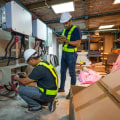
Commercial property management involves balancing a wide range of responsibilities, including tenant satisfaction, building maintenance, regulatory compliance, operational efficiency, and long-term asset preservation. Property managers often devote significant attention to visible aspects of a building such as security systems, landscaping, parking areas, HVAC performance, and common area maintenance. While these elements are certainly important, plumbing systems are frequently underestimated despite their essential role in supporting daily business operations. From office buildings and retail centers to medical facilities, restaurants, industrial properties, and mixed-use developments, commercial properties rely heavily on dependable plumbing infrastructure. When plumbing systems function properly, they often go unnoticed. However, when problems arise, the consequences can quickly affect tenants, employees, customers, and overall business performance.
Commercial Buildings Experience Higher Usage Demands
One of the key differences between commercial and residential properties is the intensity of system usage. Commercial plumbing systems are often required to support significantly larger numbers of occupants and more frequent daily use. Restrooms, kitchens, break rooms, utility sinks, drainage systems, water heaters, and specialized equipment may operate continuously throughout the day. This increased demand places additional stress on pipes, fixtures, valves, and drainage infrastructure. Components that might last for years in a residential setting can experience accelerated wear in commercial environments. As a result, property managers must adopt a more proactive approach to inspections, maintenance, and system upgrades to ensure reliable performance.
Plumbing Issues Can Affect Tenant Satisfaction
Tenant retention is a major priority in commercial property management, and plumbing performance directly influences tenant experiences. Water pressure problems, restroom malfunctions, drainage issues, recurring leaks, or interruptions in water service can disrupt business activities and create frustration among occupants. In office buildings, employees may experience reduced productivity due to facility problems. In retail settings, customer experiences may be negatively affected. Restaurants, healthcare facilities, and hospitality businesses often depend even more heavily on reliable plumbing systems to maintain daily operations. Because tenants expect essential building services to function consistently, plumbing failures can quickly damage relationships and increase the risk of lease non-renewals.
Water Damage Creates Significant Financial Risks
Among all building maintenance concerns, water damage is often one of the most expensive and disruptive. Small plumbing leaks that go undetected can gradually damage walls, ceilings, flooring, equipment, and inventory. In commercial environments, the financial consequences extend beyond repair costs alone. Business interruptions, tenant complaints, insurance claims, and potential liability concerns may also arise. Preventive maintenance helps property managers identify vulnerable components before they fail, reducing the likelihood of costly emergencies and protecting the property's long-term value. Early intervention is typically far more affordable than responding to extensive water damage after a major plumbing failure occurs.
Regulatory Compliance and Operational Responsibility
Commercial properties are often subject to specific health, safety, and building code requirements that place additional emphasis on plumbing system performance. Proper drainage, backflow prevention, water quality standards, restroom accessibility, and sanitary conditions all contribute to regulatory compliance. Property managers who neglect plumbing maintenance may face compliance challenges that affect building operations and tenant confidence. Regular inspections and professional evaluations help ensure that plumbing systems continue to meet applicable requirements while supporting a safe and functional environment for occupants.
Proactive Plumbing Management Supports Long-Term Success
Successful commercial property management requires attention to both visible and hidden building systems. Plumbing infrastructure serves as a foundation for occupant comfort, operational continuity, and property performance. Experienced service providers such as Brightwater Plumbing of Oviedo often work with property managers to develop preventive maintenance programs that address potential issues before they escalate into costly disruptions. By prioritizing plumbing inspections, maintenance, and strategic upgrades, commercial property managers can reduce operational risks, improve tenant satisfaction, protect valuable assets, and support the long-term success of their properties. While plumbing may not always be the most visible aspect of building management, its impact on overall property performance is far greater than many people realize.