In the realm of commercial property management, the handling of maintenance requests is not merely a procedural task; it is a critical component that directly influences tenant satisfaction and the overall value of the property. When tenants encounter issues, whether it’s a leaky faucet or a malfunctioning HVAC system, their immediate response is to reach out for assistance. How property managers respond to these requests can significantly impact tenant retention and the reputation of the property. Effective management of maintenance requests fosters a sense of trust and reliability between tenants and property managers. When tenants feel that their concerns are addressed promptly and efficiently, they are more likely to renew their leases and recommend the property to others.
This not only enhances tenant satisfaction but also contributes to a stable income stream for property owners. Conversely, neglecting maintenance issues can lead to tenant dissatisfaction, increased turnover rates, and ultimately, a decline in property value. Moreover, a well-structured maintenance request process can serve as a valuable tool for identifying recurring issues within the property. By analyzing these requests, property managers can implement proactive measures to prevent future problems, thereby reducing long-term costs and enhancing the overall quality of the commercial space. In this way, handling maintenance requests effectively is not just about fixing problems; it’s about creating an environment where tenants feel valued and secure.
The Initial Steps in Handling Maintenance Requests
In the realm of commercial property management, effectively handling maintenance requests is crucial for tenant satisfaction and property upkeep.The initial steps in this process set the tone for how issues are resolved and can significantly impact tenant relationships.
Receiving Maintenance Requests
- Establish a clear communication channel: Tenants should know how to submit maintenance requests, whether through an online portal, email, or phone call. This ensures that requests are received promptly and efficiently.
- Encourage detailed descriptions: When tenants report issues, they should provide as much detail as possible. This includes the nature of the problem, its location, and any immediate concerns that may need addressing.
Documenting Requests
- Log all requests: Each maintenance request should be documented in a centralized system. This not only helps track the status of each request but also provides a historical record for future reference.
- Assign priority levels: Not all maintenance issues are created equal.
Classifying requests based on urgency—such as emergency repairs versus routine maintenance—can help prioritize responses effectively.
Initial Tenant Communication
- Acknowledge receipt: Once a request is received, it’s essential to acknowledge it promptly. This can be done through an automated response or a personal message, reassuring tenants that their concerns are being taken seriously.
- Provide estimated timelines: If possible, inform tenants about when they can expect a response or resolution. Clear timelines help manage expectations and reduce anxiety regarding unresolved issues.
Establishing a Clear Communication Channel
In the realm of commercial property management, establishing a clear communication channel is paramount for effectively handling maintenance requests from tenants. A well-defined communication process not only streamlines the reporting of issues but also enhances tenant satisfaction and retention.To facilitate this, property managers should consider implementing multiple communication channels that cater to the diverse preferences of tenants.Here are some effective options:
- Email: Providing a dedicated email address for maintenance requests allows tenants to document their issues clearly and attach relevant images or documents.
- Online Portals: Many property management companies now utilize online portals where tenants can log in to submit requests, track progress, and communicate directly with management.
- Mobile Apps: With the rise of technology, mobile applications can offer a convenient way for tenants to report issues instantly, receive updates, and even schedule maintenance visits.
- Phone Calls: While digital methods are increasingly popular, having a phone line available for urgent requests ensures that tenants can reach out quickly when immediate attention is needed.
A proactive approach to communication in commercial property management ultimately leads to a more harmonious relationship between property managers and tenants.
Prioritizing Maintenance Requests: Urgency vs. Importance
In the realm of commercial property management, effectively prioritizing maintenance requests is crucial for maintaining tenant satisfaction and ensuring the longevity of the property. Understanding the difference between urgency and importance can significantly impact how quickly and efficiently issues are resolved.Urgent vs. Important Maintenance Issues
- Urgent issues typically require immediate attention to prevent further damage or safety hazards.
Examples include:
- Severe plumbing leaks that could lead to flooding
- Electrical failures that pose a fire risk
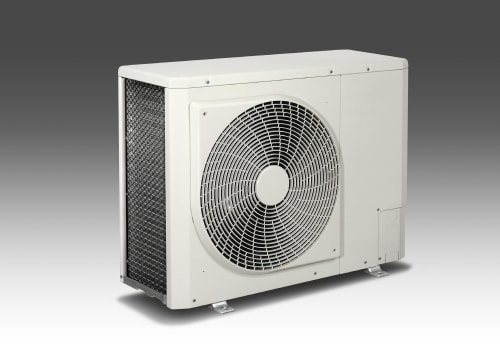
- Heating or cooling system breakdowns during extreme weather conditions
- Important issues, while not necessarily urgent, still require timely resolution to maintain the property’s functionality and tenant satisfaction. These may include:
- Routine maintenance tasks like HVAC servicing
- Cosmetic repairs that affect tenant experience, such as painting or flooring issues
- Upgrades to facilities that enhance property value over time
- Assess the Severity: Evaluate each request based on its potential impact on safety, functionality, and tenant satisfaction.
- Establish a Response Timeframe: Create a tiered response system where urgent issues are addressed within hours, while important issues are scheduled within a few days.
- Communicate with Tenants: Keep tenants informed about the status of their requests, which helps manage expectations and builds trust.
- Review and Adjust Priorities Regularly: Regularly revisit outstanding requests to ensure that priorities align with current conditions and tenant needs.
Assigning and Managing Maintenance Tasks Effectively
Effectively assigning maintenance tasks and managing maintenance teams is crucial for the success of commercial property management. A well-structured approach not only enhances operational efficiency but also improves tenant satisfaction. Here are some strategies to consider:- Prioritize Requests: Begin by categorizing maintenance requests based on urgency and impact.
High-priority issues, such as plumbing leaks or electrical failures, should be addressed immediately, while less critical tasks can be scheduled for later.
- Utilize a Maintenance Management System: Implementing a digital maintenance management system can streamline the process of assigning tasks. These systems allow property managers to track requests, assign them to appropriate staff or contractors, and monitor progress in real-time.
- Define Roles and Responsibilities: Clearly outline the roles of your maintenance team. Ensure that each member knows their specific responsibilities, which can help in reducing confusion and improving response times.
- Regular Training: Invest in regular training sessions for your maintenance staff. Keeping them updated on the latest techniques and technologies can enhance their efficiency and effectiveness in handling various tasks.
- Establish Communication Channels: Maintain open lines of communication between tenants and the maintenance team.
This can be achieved through dedicated phone lines, email, or even a tenant portal where requests can be submitted and tracked.
Utilizing Technology for Streamlined Maintenance Management
In the realm of commercial property management, leveraging technology is essential for enhancing the efficiency of maintenance request handling. By adopting modern maintenance management software, property managers can streamline the entire process, ensuring that tenant requests are addressed promptly and effectively.One of the most significant advancements in this area is the implementation of digital solutions for tenants. These platforms allow tenants to submit maintenance requests through user-friendly interfaces, often via mobile apps or online portals.This not only simplifies the reporting process but also provides tenants with real-time updates on the status of their requests.
- Automated Tracking: Many maintenance management systems offer automated tracking features that log requests and monitor their progress. This transparency helps build trust between tenants and property managers.
- Prioritization of Requests: Advanced software can categorize and prioritize maintenance issues based on urgency, ensuring that critical problems are addressed first.
- Data Analytics: Utilizing data analytics tools within these platforms allows property managers to identify recurring issues, enabling proactive maintenance strategies that can reduce future problems.
By investing in robust maintenance management software, property managers can ensure a more organized, efficient, and responsive approach to handling tenant needs.
Tracking and Reporting Maintenance Issues: Best Practices
Effectively tracking and reporting maintenance issues in commercial properties is crucial for ensuring tenant satisfaction and maintaining property value. Implementing a systematic approach can enhance accountability and transparency, which are essential in commercial property management.Establish a Centralized System
Utilizing a centralized maintenance management system allows property managers to streamline the process of receiving and addressing maintenance requests. This system should include:- Online Portals: Tenants can submit requests through an online platform, ensuring that all issues are documented and easily accessible.
- Mobile Applications: Providing a mobile app can facilitate quick reporting of issues, allowing tenants to upload photos and descriptions directly from their devices.
- Email Tracking: For those who prefer traditional methods, an email system can be set up to log requests automatically.
Implement Clear Reporting Procedures
Once a maintenance request is submitted, it’s vital to have clear procedures for reporting back to tenants. This includes:- Acknowledgment of Requests: Tenants should receive immediate confirmation that their request has been received.
- Status Updates: Regular updates on the progress of the maintenance work help keep tenants informed and engaged.
- Completion Notifications: Once the issue is resolved, notifying the tenant ensures they are aware of the resolution and can provide feedback.
Utilize Data for Continuous Improvement
Tracking maintenance requests over time provides valuable data that can be analyzed for trends.Property managers should:
- Monitor Response Times: Assess how quickly issues are addressed to identify areas for improvement.
- Evaluate Common Issues: Understanding recurring problems can help in planning preventative maintenance strategies.
- Solicit Tenant Feedback: Regularly asking tenants for their input on the maintenance process can lead to enhancements that improve overall satisfaction.
Follow-Up Procedures After Maintenance Completion
Once maintenance tasks are completed in a commercial property, it is crucial to implement effective follow-up procedures to ensure tenant satisfaction and gather valuable feedback. This not only enhances the tenant experience but also helps property managers identify areas for improvement.1.Conducting Follow-Up Calls or Emails
- After the maintenance work is finished, reach out to the tenant via phone or email to confirm that the issue has been resolved to their satisfaction.
- This personal touch demonstrates that you value their input and are committed to maintaining a high standard of service.
2.Tenant Satisfaction Surveys
- Implementing a brief tenant satisfaction survey can provide insights into the effectiveness of the maintenance performed. These surveys can include questions about the timeliness of the response, quality of repairs, and overall satisfaction with the service.
- Consider using online survey tools for ease of distribution and collection of responses.
3.Gathering Feedback on Repairs
- Encourage tenants to provide specific feedback regarding the repairs made. This can help identify recurring issues or areas where your maintenance team may need additional training or resources.
- Feedback can also highlight successful practices that should be continued in future maintenance efforts.
4.Documenting Feedback for Future Reference
- Keep a record of all feedback received from tenants regarding maintenance requests.
This documentation can be invaluable for tracking trends over time and making informed decisions about property management strategies.
- Utilizing this data can lead to improved service delivery and enhanced tenant retention rates.
Common Challenges in Handling Maintenance Requests and How to Overcome Them
Handling maintenance requests in commercial property management can be fraught with challenges that can hinder tenant satisfaction and operational efficiency. Understanding these challenges is crucial for property managers aiming to provide exceptional service.1.Delayed Response Times One of the most common issues is the delay in responding to maintenance requests. Tenants expect prompt attention, and any lag can lead to frustration and complaints.To overcome this, property managers should implement a systematic approach:
- Establish a clear communication channel for tenants to submit requests.
- Set specific response timeframes based on the urgency of the request.
- Utilize property management software to track and prioritize requests efficiently.
- Encourage tenants to provide detailed descriptions of their issues.
- Follow up with tenants after a request is submitted to confirm details.
- Develop relationships with reliable contractors who can be called upon when internal resources are stretched.
- Regularly assess and adjust budgets to ensure adequate funds are allocated for maintenance needs.
- Provide clear guidelines on what constitutes an emergency versus a non-urgent request.
- Communicate openly about timelines and potential delays due to unforeseen circumstances.
Conclusion: Enhancing Tenant Experience Through Effective Maintenance Management
In conclusion, the process of handling maintenance requests in commercial property management is crucial for fostering a positive tenant experience.By implementing a systematic approach, property managers can ensure that maintenance issues are addressed promptly and efficiently, which not only enhances tenant satisfaction but also contributes to tenant retention.Effective maintenance management begins with clear communication channels. Tenants should have easy access to submit their requests, whether through an online portal, email, or phone. This accessibility encourages tenants to report issues without hesitation, knowing that their concerns will be taken seriously.Once a request is received, it is essential to prioritize and categorize the maintenance issues based on urgency and impact. For instance, a leaking roof should be addressed before a minor cosmetic issue.
This prioritization helps in allocating resources effectively and ensures that critical problems are resolved swiftly.Moreover, keeping tenants informed throughout the maintenance process is vital. Regular updates about the status of their requests can significantly enhance their experience. This transparency builds trust and demonstrates that property management values their concerns.Finally, conducting follow-ups after the completion of maintenance work can provide valuable insights into tenant satisfaction. Gathering feedback allows property managers to identify areas for improvement and refine their processes further.In summary, by focusing on effective maintenance management practices, commercial property managers can significantly enhance the tenant experience.
A proactive approach not only resolves issues efficiently but also fosters a sense of community and satisfaction among tenants, ultimately leading to a more successful property management strategy.