In the realm of commercial property management, the role of a commercial property manager is pivotal in ensuring both tenant satisfaction and the overall value of the property. These professionals serve as the vital link between property owners and tenants, navigating the complexities of tenant relations while upholding the interests of the property owner. Their responsibilities extend far beyond mere maintenance; they are tasked with creating a harmonious living and working environment that fosters positive relationships. A commercial property manager is responsible for addressing tenant complaints promptly and effectively, which is crucial for maintaining high occupancy rates and minimizing turnover. By actively listening to tenant concerns, they can implement solutions that not only resolve issues but also enhance the overall tenant experience.
This proactive approach not only helps in retaining tenants but also contributes to a positive reputation for the property, which can be a significant factor in attracting new tenants. Moreover, effective communication is at the heart of successful tenant relations. A skilled commercial property manager understands the importance of transparency and responsiveness, ensuring that tenants feel heard and valued. This not only aids in resolving immediate concerns but also builds trust over time, leading to long-term relationships that benefit both parties. In essence, the role of a commercial property manager is multifaceted, requiring a blend of interpersonal skills, problem-solving abilities, and a deep understanding of the commercial real estate landscape.
Common Types of Tenant Complaints in Commercial Properties
In the realm of commercial property management, understanding the common types of tenant complaints is essential for maintaining a harmonious relationship between property managers and tenants.Addressing these issues promptly not only enhances tenant satisfaction but also protects the property’s value.
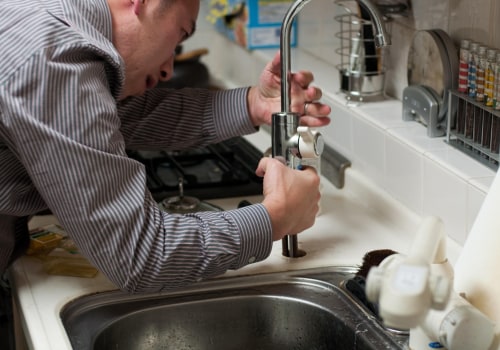
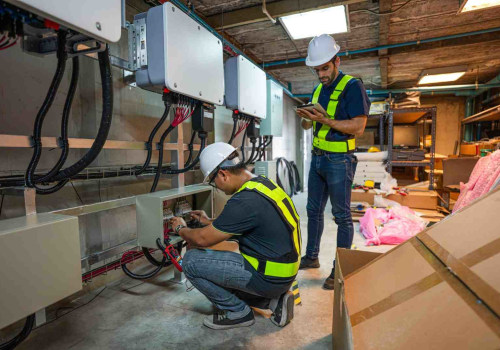
- Maintenance Issues: One of the most frequent complaints involves maintenance problems, such as plumbing leaks, heating or cooling failures, and electrical issues. Tenants expect timely repairs to ensure their business operations run smoothly.
- Noise Complaints: Noise disturbances can significantly impact a tenant's ability to conduct business. Complaints may arise from neighboring businesses or construction activities, necessitating effective communication and resolution strategies.
- Parking Problems: Insufficient parking space or poorly maintained parking areas can lead to frustration among tenants. Property managers must ensure that parking facilities are adequate and well-maintained to meet tenant needs.
- Lease Agreement Disputes: Misunderstandings regarding lease terms, such as rent increases or maintenance responsibilities, often lead to disputes.
Clear communication and documentation are vital in preventing these issues from escalating.
- Security Concerns: Tenants may express concerns about the safety and security of the property. This includes inadequate lighting, lack of security personnel, or malfunctioning surveillance systems. Addressing these concerns is crucial for tenant peace of mind.
The Importance of a Proactive Approach to Tenant Complaints
In the realm of commercial property management, adopting a proactive approach to tenant complaints is essential for fostering a positive living and working environment.By addressing issues before they escalate, property managers can significantly enhance tenant satisfaction and retention rates.
Benefits of a Proactive Approach
- Early Resolution: By identifying and addressing potential complaints early, property managers can prevent minor issues from developing into major conflicts.
- Improved Communication: Regular check-ins with tenants create an open line of communication, making tenants feel valued and heard.
- Enhanced Reputation: A property that is known for its responsive management attracts more tenants and retains existing ones, leading to lower vacancy rates.
- Cost Efficiency: Resolving issues proactively can save money in the long run by reducing the need for extensive repairs or legal disputes.
Strategies for Proactive Tenant Management
- Regular Surveys: Conducting tenant satisfaction surveys can provide valuable insights into potential areas of concern before they become complaints.
- Scheduled Maintenance: Implementing a routine maintenance schedule helps to address issues such as plumbing or electrical problems before they affect tenants.
- Open Door Policy: Encouraging tenants to voice their concerns without fear of repercussions fosters a trusting relationship between tenants and management.
- Timely Updates: Keeping tenants informed about property changes or maintenance schedules can alleviate concerns and reduce misunderstandings.
Steps to Effectively Handle Tenant Complaints
Effectively handling tenant complaints is a crucial aspect of commercial property management. A systematic approach not only resolves issues but also fosters a positive relationship between property managers and tenants. Here are the essential steps to follow:- Listen Actively: When a tenant approaches you with a complaint, give them your full attention.
Allow them to express their concerns without interruption. This shows that you value their input and are committed to resolving the issue.
- Document the Complaint: Take detailed notes of the complaint, including the date, time, and specifics of the issue. This documentation is vital for tracking recurring problems and can be useful for future reference.
- Assess the Situation: Evaluate the complaint to determine its validity and urgency. Some issues may require immediate action, while others can be addressed later.
Prioritizing complaints helps in managing time effectively.
- Communicate Clearly: Once you have assessed the situation, communicate your findings and proposed solutions to the tenant. Use clear and concise language to avoid misunderstandings. Ensure that they feel heard and understood throughout this process.
- Implement Solutions: Take prompt action to resolve the complaint. Whether it involves repairs, adjustments, or other measures, ensure that you follow through on your commitments.
Timely resolution is key to maintaining tenant satisfaction.
- Follow Up: After implementing a solution, check back with the tenant to ensure that they are satisfied with how their complaint was handled. This step reinforces your commitment to excellent service and can help prevent future issues.
Communication Strategies for Property Managers
Effective communication is a cornerstone of successful commercial property management. Property managers must establish clear and open lines of communication with tenants to address their concerns promptly and effectively. Here are some key strategies to enhance communication:- Regular Updates: Keeping tenants informed about property maintenance, upcoming events, or changes in policies fosters transparency.
Regular newsletters or emails can serve this purpose well.
- Open Door Policy: Encouraging tenants to voice their concerns without hesitation creates a welcoming environment. An open-door policy can help tenants feel valued and heard.
- Utilizing Technology: Implementing property management software or tenant portals allows for efficient communication. Tenants can submit complaints, request maintenance, or provide feedback at their convenience.
- Feedback Mechanisms: Actively seeking tenant feedback through surveys or suggestion boxes can provide valuable insights into their needs and expectations. This not only helps in resolving issues but also shows tenants that their opinions matter.
Acknowledging receipt of a complaint and providing an estimated timeline for resolution can significantly enhance tenant satisfaction. When addressing issues, using a calm and professional tone is crucial; this helps in de-escalating potential conflicts.In addition, personalizing communication can make a significant difference. Remembering details about tenants, such as their names or specific concerns, can create a more personal connection and foster trust.Ultimately, effective communication strategies not only resolve tenant complaints but also contribute to a positive living experience, which is vital for tenant retention in the competitive landscape of commercial property management.
Utilizing Technology in Complaint Management
In the realm of commercial property management, leveraging technology has become essential for effectively handling tenant complaints. By utilizing advanced complaint management software, property managers can streamline the entire process, ensuring that issues are addressed promptly and efficiently.One of the primary benefits of implementing digital solutions is the ability to track complaints in real-time.Tenants can submit their concerns through user-friendly online portals or mobile applications, which not only enhances their experience but also allows property managers to maintain a comprehensive log of all issues reported. This centralized system enables managers to prioritize complaints based on urgency and severity, ensuring that critical issues are resolved first.
Improving Response Times
With automated notifications and reminders, property managers can significantly improve their response times. For instance, when a tenant submits a complaint, the system can automatically alert the relevant maintenance staff or management personnel, reducing the time it takes to initiate a resolution. This swift action not only satisfies tenants but also fosters a sense of trust and reliability in the management team.Data-Driven Insights
Moreover, technology in property management provides valuable data analytics that can help identify recurring issues within a property.By analyzing trends in tenant complaints, property managers can implement proactive measures to address underlying problems before they escalate. For example, if multiple tenants report similar maintenance issues, it may indicate a need for a more thorough inspection or upgrades to facilities.In conclusion, integrating technology into the complaint management process not only enhances operational efficiency but also improves tenant satisfaction. By adopting these digital solutions, commercial property managers can create a more responsive and transparent environment for their tenants, ultimately leading to better retention rates and a positive reputation in the market.
Training Staff to Handle Tenant Complaints Effectively
In the realm of commercial property management, effectively addressing tenant complaints is crucial for maintaining positive relationships and ensuring tenant satisfaction. One of the most significant factors in achieving this is through comprehensive staff training.Training staff to handle complaints not only equips them with the necessary skills but also fosters a culture of empathy and professionalism.
Importance of Training
- Empathy Development: Training programs should emphasize the importance of understanding tenant perspectives. Staff should learn to listen actively and validate tenant concerns, which can significantly de-escalate tense situations.
- Effective Communication: Clear communication is key in resolving complaints. Staff should be trained on how to articulate responses clearly and professionally, ensuring that tenants feel heard and understood.
- Problem-Solving Skills: Providing staff with tools and techniques for effective problem-solving can empower them to address issues promptly. This includes understanding when to escalate a complaint to higher management.
Types of Training Programs
- Role-Playing Scenarios: Engaging in role-playing exercises can help staff practice handling various complaint scenarios, allowing them to develop confidence and competence.
- Workshops on Customer Service: Regular workshops focusing on customer service principles can reinforce the importance of tenant satisfaction and provide ongoing education on best practices.
- Feedback Mechanisms: Implementing feedback systems where staff can learn from past interactions helps in refining their approach to tenant complaints.
When tenants feel valued and understood, they are more likely to renew leases and recommend the property to others, contributing to long-term success.
Measuring Tenant Satisfaction and Feedback Loops
Measuring tenant satisfaction is a crucial aspect of commercial property management, as it directly impacts tenant retention and overall property performance. To effectively gauge tenant satisfaction, property managers can implement various strategies that not only assess current sentiments but also foster ongoing communication.- Surveys and Questionnaires: Regularly distributing surveys can provide valuable insights into tenant experiences. These can be conducted annually or bi-annually and should cover aspects such as maintenance response times, communication effectiveness, and overall satisfaction with the property.
- Feedback Forms: Placing feedback forms in common areas or sending them via email after maintenance requests can encourage tenants to share their thoughts. This immediate feedback allows property managers to address issues promptly.
- Tenant Meetings: Hosting periodic tenant meetings creates an open forum for discussion.
This not only allows tenants to voice their concerns but also helps build a sense of community.
- Online Portals: Implementing an online portal where tenants can submit complaints and track their status enhances transparency and accountability. This system allows property managers to respond quickly and keeps tenants informed.
- Regular Check-Ins: Scheduling regular check-ins with tenants can help identify potential issues before they escalate. This proactive approach demonstrates that management values tenant input and is committed to maintaining a positive living environment.
- Incentivizing Feedback: Offering small incentives for completing surveys or providing feedback can increase participation rates.
This could be in the form of discounts on rent or entry into a raffle for local business gift cards.
Case Studies: Successful Complaint Resolution in Commercial Properties
In the realm of commercial property management, effective complaint resolution is crucial for maintaining tenant satisfaction and ensuring long-term occupancy. Here are some compelling case studies that illustrate successful strategies employed by property managers.Case Study 1: The Noise Complaint Resolution
At a bustling office complex in downtown Chicago, a tenant raised concerns about excessive noise from a neighboring unit. The property manager promptly organized a meeting with both parties to discuss the issue.By facilitating open communication, the manager discovered that the noise was due to construction work scheduled during business hours.The solution involved adjusting the construction schedule to minimize disruption during peak office hours. Additionally, the property manager offered temporary soundproofing solutions for the affected tenant. This proactive approach not only resolved the complaint but also strengthened relationships among tenants.
Case Study 2: HVAC System Malfunction
In a multi-tenant retail space, several tenants reported issues with the heating and cooling system, leading to discomfort and dissatisfaction. The property management team quickly assessed the situation and identified that the HVAC system required an upgrade.Instead of delaying repairs, the manager communicated transparently with tenants about the timeline for upgrades and provided temporary heating solutions during the transition.This transparency helped alleviate tenant concerns and demonstrated a commitment to their comfort. As a result, tenant retention improved significantly after the upgrades were completed.
Case Study 3: Parking Space Dispute
A dispute arose over parking spaces at an office building where multiple tenants claimed exclusive rights to certain spots. The property manager took a diplomatic approach by organizing a meeting with all affected parties to clarify parking policies.Through this discussion, it was agreed that designated parking areas would be clearly marked and that a rotating schedule would be implemented for shared spaces. This resolution not only addressed the immediate complaint but also fostered a sense of community among tenants, enhancing overall satisfaction.These case studies highlight that successful complaint resolution in commercial property management hinges on effective communication, prompt action, and a willingness to collaborate with tenants.By implementing these strategies, property managers can turn potential conflicts into opportunities for improvement and tenant loyalty.
Conclusion: Best Practices for Managing Tenant Complaints in Commercial Properties
In conclusion, effectively managing tenant complaints is a cornerstone of successful commercial property management. By implementing best practices, property managers can not only resolve issues promptly but also foster a positive relationship with tenants, which is essential for tenant retention and satisfaction.Key Practices for Managing Tenant Complaints:
- Establish Clear Communication Channels: Ensure that tenants know how to report issues and that they feel comfortable doing so. This can include dedicated phone lines, email addresses, or online portals.
- Respond Promptly: Timeliness is crucial. A quick acknowledgment of the complaint can reassure tenants that their concerns are taken seriously.
- Document Everything: Keeping detailed records of complaints and resolutions helps in tracking recurring issues and provides a reference for future situations.
- Follow Up: After resolving a complaint, follow up with the tenant to ensure their satisfaction.
This shows that you value their input and are committed to maintaining a high standard of service.
- Train Staff: Ensure that all staff involved in property management are trained in customer service and complaint resolution techniques. This creates a consistent approach across the board.