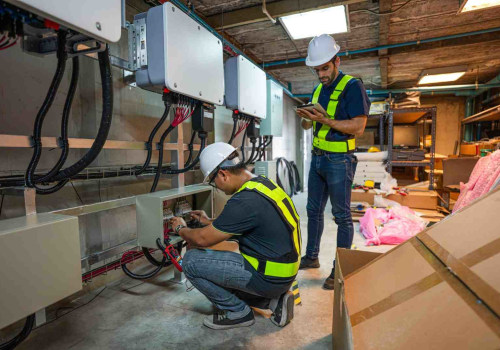
In the realm of commercial property management, the role of a property manager extends far beyond mere oversight of buildings and tenants. These professionals serve as the vital link between property owners and the myriad of services required to maintain and enhance the value of commercial real estate. A key aspect of their responsibilities involves cultivating and maintaining strong relationships with vendors and contractors, which is essential for ensuring that properties are well-maintained, compliant with regulations, and equipped to meet the needs of tenants. Effective commercial property management hinges on the ability to coordinate various services, from maintenance and repairs to landscaping and security. Property managers must not only identify reliable vendors but also negotiate contracts, manage service quality, and ensure timely execution of tasks.
This requires a deep understanding of the local market, as well as the ability to foster trust and collaboration among all parties involved. By establishing solid relationships with contractors, property managers can streamline operations, reduce costs, and ultimately enhance tenant satisfaction. Moreover, these relationships are not just transactional; they are built on communication and mutual respect. A successful property manager recognizes that maintaining open lines of communication with vendors can lead to better service outcomes and quicker response times during emergencies. As we delve deeper into the intricacies of commercial property management, it becomes clear that the strength of vendor relationships is a cornerstone of effective property management strategies.
The Importance of Vendor and Contractor Relationships in Commercial Property Management
In the realm of commercial property management, the significance of fostering strong relationships with vendors and contractors cannot be overstated.These partnerships are essential for ensuring that properties are maintained to the highest standards, which directly impacts tenant satisfaction and retention.
Effective contractor management
is a cornerstone of successful property management. When property managers cultivate positive relationships with contractors, they can ensure timely responses to maintenance requests, quality workmanship, and competitive pricing. This not only enhances the overall value of the property but also minimizes downtime and disruptions for tenants.Moreover, strong vendor relationships can lead to several key benefits:- Reliability: Vendors who feel valued are more likely to prioritize your projects, ensuring that services are delivered promptly and efficiently.
- Cost Savings: Long-term partnerships often result in better pricing and terms, as vendors may offer discounts or favorable rates to loyal clients.
- Access to Expertise: Established relationships with contractors can provide property managers with access to specialized knowledge and skills that enhance property maintenance and improvements.
- Proactive Solutions: Vendors who understand your property’s unique needs can offer proactive maintenance solutions, helping to prevent issues before they arise.
By prioritizing these connections, property managers can enhance operational efficiency, improve tenant experiences, and ultimately drive the success of their commercial properties.
Key Responsibilities of a Commercial Property Manager
A commercial property manager plays a crucial role in the successful operation of a property, particularly when it comes to maintaining strong relationships with vendors and contractors. These relationships are essential for ensuring that the property is well-maintained, compliant with regulations, and attractive to tenants.One of the primary responsibilities of a commercial property manager is to coordinate maintenance and repair services. This involves selecting reliable contractors for various tasks, such as plumbing, electrical work, landscaping, and janitorial services. By establishing a network of trusted vendors, property managers can ensure that any issues are addressed promptly and efficiently.Additionally, commercial property managers are responsible for negotiating contracts with these vendors.This includes discussing pricing, service levels, and timelines to ensure that the property receives high-quality services at competitive rates. Effective negotiation skills can lead to long-term partnerships that benefit both the property owner and the service providers.Another key duty is to monitor vendor performance. Property managers must regularly assess the quality of work performed by contractors and vendors. This involves conducting inspections, soliciting feedback from tenants, and addressing any concerns that arise.
By maintaining high standards for vendor performance, property managers help ensure tenant satisfaction and retention.Furthermore, commercial property managers often act as a liaison between property owners and vendors. They communicate the owner’s expectations and requirements while also advocating for the needs of the vendors. This dual role helps foster a collaborative environment where all parties feel valued and understood.In summary, the responsibilities of a commercial property manager in managing vendor and contractor relationships are multifaceted. From coordinating services and negotiating contracts to monitoring performance and acting as a liaison, these tasks are vital for maintaining the overall health of the property and ensuring tenant satisfaction.
Strategies for Building Strong Vendor Relationships
Building strong relationships with vendors is crucial for effective commercial property management.Here are some actionable strategies that can help commercial property managers foster these essential connections:
- Establish Clear Communication: Open lines of communication are vital. Schedule regular check-ins to discuss ongoing projects, address concerns, and provide feedback. This not only keeps everyone on the same page but also builds trust.
- Set Expectations: Clearly outline your expectations regarding service quality, timelines, and deliverables. When vendors understand what is required, they are more likely to meet or exceed those expectations.
- Be Responsive: Timely responses to vendor inquiries and issues demonstrate respect for their time and efforts.
A quick reply can prevent misunderstandings and foster a collaborative atmosphere.
- Provide Constructive Feedback: Regularly offer feedback on their performance. Highlight what they are doing well and where improvements can be made. This not only helps them grow but also shows that you value their contributions.
- Recognize and Reward Good Performance: Acknowledge vendors who consistently deliver high-quality work. This could be through formal recognition, referrals, or even small tokens of appreciation.
Such gestures can strengthen loyalty.
- Encourage Collaboration: Involve vendors in decision-making processes when appropriate. This inclusion can lead to innovative solutions and a sense of partnership rather than a transactional relationship.
Effective Communication Techniques with Contractors
Effective communication is a cornerstone of successful commercial property management, particularly when it comes to maintaining strong relationships with contractors. Clear and consistent communication not only fosters trust but also ensures that projects are completed on time and within budget.Establishing Clear Expectations
- At the outset of any project, it is crucial to outline specific goals, timelines, and deliverables. This clarity helps prevent misunderstandings and sets a professional tone for the relationship.
- Utilize written agreements that detail the scope of work, payment terms, and deadlines.
This documentation serves as a reference point for both parties.
Regular Check-Ins
- Schedule regular meetings or check-ins to discuss progress, address concerns, and provide feedback. This proactive approach can help identify potential issues before they escalate.
- Use these opportunities to reinforce positive aspects of the contractor's work, which can motivate them to maintain high standards.
Utilizing Technology for Communication
- Leverage project management tools and communication platforms to streamline interactions. Tools like Slack or Trello can facilitate real-time updates and keep everyone on the same page.
- Consider using video conferencing for more personal interactions, especially when discussing complex issues that may require visual aids.
Encouraging Open Dialogue
- Create an environment where contractors feel comfortable voicing their opinions or concerns. This openness can lead to innovative solutions and improved project outcomes.
- Be receptive to feedback from contractors as well; their insights can provide valuable perspectives on project execution and efficiency.
By establishing clear expectations, maintaining regular check-ins, utilizing technology, and encouraging open dialogue, commercial property managers can build strong partnerships that enhance project success and overall satisfaction.
Challenges in Managing Vendor and Contractor Relationships
Managing vendor and contractor relationships in commercial property management can be fraught with challenges that require skillful navigation. One of the primary issues is communication breakdowns. Misunderstandings can arise from unclear expectations or insufficient information sharing, leading to delays and dissatisfaction on both sides.Another common problem is quality control. Property managers often face difficulties ensuring that vendors and contractors meet the required standards.Inconsistent service quality can result in increased costs and tenant complaints, which can tarnish the reputation of the property.
Financial constraints
also pose a significant challenge. Budget limitations may restrict the ability to hire top-tier vendors or contractors, leading to compromises in service quality. This can create a cycle of dissatisfaction, where property managers are forced to choose between cost and quality.Additionally, contractor relationship issues can stem from a lack of trust or reliability. If a contractor fails to deliver on time or within budget, it can strain the relationship and complicate future collaborations.
Establishing clear contracts and maintaining open lines of communication are essential strategies for mitigating these risks.To overcome these challenges, property managers should consider implementing regular performance reviews for vendors and contractors. This practice not only helps in identifying areas for improvement but also fosters accountability. Furthermore, investing time in building strong relationships through regular check-ins and feedback sessions can enhance collaboration and lead to better outcomes.In conclusion, while challenges in managing vendor and contractor relationships are prevalent in commercial property management, proactive strategies such as clear communication, quality control measures, and relationship-building efforts can significantly improve the situation.
The Role of Technology in Enhancing Vendor Management
In the realm of commercial property management, technology plays a pivotal role in enhancing the efficiency and effectiveness of vendor and contractor relationships. By leveraging advanced software solutions, property managers can streamline communication, track performance, and ensure compliance with contractual obligations.Centralized Vendor Management Software
- Utilizing centralized platforms allows property managers to maintain a comprehensive database of all vendors and contractors.
This includes contact information, service history, and performance metrics.
- Such software often features automated reminders for contract renewals and service schedules, ensuring that no critical deadlines are missed.
Enhanced Communication Tools
- Digital tools facilitate real-time communication between property managers and vendors. Instant messaging features or integrated email systems help resolve issues quickly and efficiently.
- Moreover, many platforms offer mobile applications, allowing property managers to communicate with contractors on-the-go, which is essential for urgent maintenance requests.
Performance Tracking and Analytics
- Advanced analytics tools enable property managers to assess vendor performance over time. By analyzing data such as response times and service quality, managers can make informed decisions about future contracts.
- This data-driven approach not only enhances accountability but also fosters a culture of continuous improvement among vendors.
Digital Payment Solutions
- Streamlined payment processes through digital invoicing and payment systems reduce administrative burdens. This ensures that contractors are paid promptly, which can strengthen relationships and encourage better service.
- Automated payment tracking also helps in maintaining accurate financial records, which is crucial for budget management in commercial property management.
By adopting these digital tools, commercial property managers can ensure that they are well-equipped to meet the demands of their properties while fostering a collaborative environment with their vendors.
Case Studies: Successful Vendor Management in Commercial Properties
Effective commercial property management hinges on the ability to foster strong relationships with vendors and contractors. Here are a few case studies that exemplify successful vendor management in commercial properties:Case Study 1: The Green Plaza
The Green Plaza, a multi-tenant office building, faced challenges with its landscaping vendor, which was not meeting the aesthetic and maintenance standards expected by tenants. The property manager initiated a series of meetings with the vendor to discuss specific concerns and expectations. By establishing clear communication and setting measurable goals, the property manager was able to realign the vendor's services with tenant needs.As a result, tenant satisfaction increased by 30%, leading to higher retention rates.
Case Study 2: Downtown Retail Center
A retail center in downtown faced frequent maintenance issues due to unreliable contractors. The property manager decided to implement a rigorous vetting process for selecting contractors, focusing on their past performance and reliability. After selecting a new contractor based on these criteria, the property manager established regular check-ins and feedback loops. This proactive approach not only improved response times for maintenance requests but also reduced overall costs by 15% due to fewer emergency repairs.Case Study 3: Corporate Office Complex
In a corporate office complex, the property manager recognized that communication with the cleaning service was lacking, leading to inconsistent service quality.To address this, they introduced a digital platform for reporting issues and tracking service requests. This innovation allowed both parties to communicate more effectively and ensured that cleaning standards were consistently met. Consequently, tenant feedback improved significantly, with satisfaction ratings rising from 70% to 90% within six months.These case studies illustrate that successful vendor relationships in commercial property management are built on clear communication, regular feedback, and strategic selection of contractors. By prioritizing these elements, property managers can enhance operational efficiency and tenant satisfaction.
Conclusion: The Impact of Strong Vendor Relationships on Commercial Property Success
In conclusion, the role of a commercial property manager in fostering strong relationships with vendors and contractors is pivotal to the overall success of commercial property management.Throughout this article, we have explored how these relationships not only enhance operational efficiency but also contribute to tenant satisfaction and property value. Effective communication and trust between property managers and their vendors can lead to:
- Timely maintenance and repairs: Quick responses to issues can prevent minor problems from escalating into costly repairs.
- Cost-effective solutions: Strong relationships often result in better pricing and service terms, allowing property managers to optimize budgets.
- Quality service delivery: Reliable vendors are more likely to provide high-quality work, which reflects positively on the property.