In the realm of commercial property management, the role of a property manager extends far beyond mere oversight; it encompasses a comprehensive approach to maintaining the physical appearance and functionality of commercial spaces. These professionals are pivotal in ensuring that properties not only meet the expectations of tenants but also reflect positively on the brand and reputation of the businesses they house. A well-maintained property can significantly enhance tenant satisfaction, attract new clients, and ultimately contribute to higher occupancy rates.Property managers are tasked with a variety of responsibilities that directly impact the visual appeal and operational efficiency of commercial properties. From routine maintenance and landscaping to emergency repairs and renovations, their expertise ensures that every aspect of the property is attended to with care.
This proactive approach not only preserves the aesthetic value of the property but also prevents larger issues from arising, which can be costly and disruptive.Moreover, effective property maintenance strategies implemented by skilled managers can lead to significant cost savings over time. By regularly assessing the condition of facilities and addressing potential problems before they escalate, property managers play a crucial role in safeguarding the investment made by property owners. In this way, they serve as both caretakers and strategic partners in enhancing the overall value of commercial real estate.
Key Responsibilities of a Commercial Property Manager
A commercial property manager plays a vital role in ensuring the physical appearance and overall functionality of a property. Their responsibilities encompass a wide range of tasks that are essential for maintaining the value and appeal of commercial real estate.- Maintenance Oversight: One of the primary duties of a commercial property manager is to oversee regular maintenance and repairs.
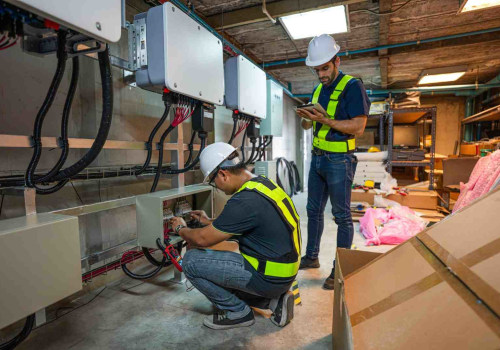
This includes scheduling routine inspections, coordinating with maintenance staff or contractors, and ensuring that all systems—such as HVAC, plumbing, and electrical—are functioning optimally. By proactively addressing maintenance issues, property managers help prevent larger problems that could detract from the property's appearance.
- Tenant Relations: Effective communication with tenants is crucial for maintaining a positive environment. A commercial property manager acts as the liaison between property owners and tenants, addressing concerns and facilitating requests. By fostering good relationships, they can encourage tenants to take pride in their spaces, which contributes to the overall upkeep of the property.
- Financial Management: Beyond physical maintenance, commercial property managers are responsible for the financial health of the property.
This includes budgeting for maintenance costs, managing operating expenses, and ensuring timely rent collection. A well-managed budget allows for adequate funds to be allocated towards necessary repairs and improvements, which directly impacts the property's appearance.
- Compliance and Safety: Ensuring that the property complies with local regulations and safety standards is another critical responsibility. This includes regular safety inspections and adherence to building codes. A compliant property not only looks better but also provides a safe environment for tenants and visitors.
By effectively managing these responsibilities, they play a crucial role in maintaining the physical appearance and overall value of commercial properties.
Maintaining the Physical Appearance of Commercial Properties
Maintaining the physical appearance of commercial properties is a critical responsibility of a commercial property manager. A well-maintained property not only enhances its visual appeal but also attracts and retains tenants, ultimately contributing to the property’s overall value. Here are some key strategies that property managers employ to ensure the aesthetic integrity of commercial spaces:- Regular Inspections: Conducting routine inspections allows property managers to identify maintenance issues before they escalate. This proactive approach ensures that any wear and tear is addressed promptly, preserving the property's appearance.
- Landscaping and Outdoor Maintenance: The exterior of a commercial property is the first impression for potential clients and tenants.
Property managers often engage landscaping services to maintain gardens, lawns, and outdoor spaces, ensuring they are clean, well-kept, and visually appealing.
- Cleaning Services: Regular cleaning of common areas, windows, and facades is essential. Property managers typically schedule professional cleaning services to maintain high standards of cleanliness that reflect positively on the property.
- Repairs and Renovations: Addressing structural issues such as cracks in walls or damaged roofing is vital. Property managers often plan for periodic renovations to update the aesthetics of the property, which can include repainting, replacing flooring, or upgrading fixtures.
- Tenant Communication: Engaging with tenants about their needs and concerns regarding the property’s appearance fosters a collaborative environment. Property managers can implement tenant feedback into maintenance plans to enhance overall satisfaction.
A commitment to aesthetics can significantly impact tenant retention rates and attract new businesses, making it a crucial aspect of effective property management.
The Importance of Regular Inspections and Maintenance Schedules
Regular inspections and maintenance schedules are crucial components of commercial property management that significantly contribute to the physical appearance and overall functionality of a property. By implementing a systematic approach to inspections, property managers can identify potential issues before they escalate into costly repairs.Property Inspections
- Conducting routine inspections allows property managers to assess the condition of various elements, including roofing, landscaping, and exterior facades.
- These inspections help in spotting wear and tear, such as cracks in walls or damaged signage, which can detract from the property's visual appeal.
- Regular assessments also ensure compliance with safety regulations, thereby protecting both tenants and visitors.
Maintenance Schedules
- Establishing a comprehensive maintenance schedule is essential for keeping the property in top shape. This includes routine tasks such as cleaning gutters, servicing HVAC systems, and maintaining landscaping.
- A well-planned maintenance schedule not only enhances the aesthetic value of the property but also extends the lifespan of its components.
- By addressing minor issues promptly, property managers can prevent them from developing into major problems that require extensive repairs and financial outlay.
A well-maintained property reflects professionalism and care, which can enhance the reputation of the management company. Furthermore, proactive maintenance strategies can lead to significant cost savings over time by reducing emergency repair needs and improving energy efficiency.In conclusion, regular inspections and maintenance schedules are integral to effective commercial property management. They ensure that properties remain visually appealing and functional while safeguarding investments against unforeseen deterioration.
Working with Vendors and Contractors for Property Maintenance
In the realm of commercial property management, the collaboration between property managers and external vendors or contractors is crucial for maintaining the physical appearance and functionality of a property. These partnerships not only enhance service quality but also ensure that maintenance tasks are executed efficiently and effectively.Vendors for property management
play a vital role in providing specialized services that are essential for the upkeep of commercial properties.This can include landscaping, janitorial services, and security. By establishing strong relationships with reliable vendors, property managers can ensure that these services meet the high standards expected by tenants and visitors alike.When it comes to contractors in commercial property maintenance, their expertise is often required for more complex tasks such as plumbing, electrical work, or structural repairs. Property managers must carefully vet contractors to ensure they possess the necessary licenses, insurance, and experience. This diligence helps mitigate risks associated with hiring unqualified personnel.
- Regular Communication: Maintaining open lines of communication with vendors and contractors is essential.
Regular check-ins can help address any issues promptly and keep all parties aligned on expectations.
- Outsourcing Maintenance Tasks: Many commercial property managers choose to outsource specific maintenance tasks to focus on core responsibilities. This allows them to leverage the expertise of specialized vendors while ensuring that the property remains in top condition.
- Quality Control: Property managers should implement quality control measures to assess the work performed by contractors and vendors. This could involve routine inspections or feedback from tenants to ensure satisfaction with the services provided.
Budgeting for Property Maintenance and Aesthetics
Effective budgeting for property management is crucial in ensuring that commercial properties not only remain functional but also visually appealing.A well-maintained property attracts tenants, enhances the overall value, and fosters a positive reputation in the market. Therefore, understanding the costs associated with maintaining the physical appearance of a property is essential for any commercial property manager.When creating a budget for property maintenance, it is important to consider several key factors:
- Routine Maintenance: Regular upkeep such as landscaping, cleaning, and minor repairs should be prioritized. Allocating funds for these activities helps prevent larger issues from arising.
- Capital Expenditures: These are significant investments in property improvements, such as roof replacements or facade renovations. Planning for these expenses in advance can help avoid financial strain.
- Emergency Repairs: Setting aside a contingency fund for unexpected repairs is vital.
This ensures that funds are available when urgent issues arise, maintaining the property's aesthetic and functional integrity.
- Seasonal Considerations: Different seasons may require specific maintenance tasks, such as snow removal in winter or pest control in summer. Budgeting for these seasonal needs can help maintain the property's appearance year-round.
By prioritizing maintenance and aesthetic considerations within the budget, property managers can ensure that their properties remain attractive and valuable assets in a competitive market.
The Impact of Curb Appeal on Tenant Retention and Attraction
The physical appearance of a commercial property plays a crucial role in tenant retention and attraction. A well-maintained exterior not only enhances the overall aesthetic appeal but also communicates professionalism and reliability to potential tenants. When prospective tenants approach a property, their first impression is often shaped by its curb appeal. This initial perception can significantly influence their decision to lease space within the building.Importance of Curb Appeal
- First Impressions Matter: A clean, attractive exterior can create a positive first impression, making it more likely for potential tenants to envision their business thriving in that environment.
- Increased Foot Traffic: Properties that are visually appealing tend to attract more visitors, which can lead to higher occupancy rates.
- Enhanced Property Value: A well-maintained property not only attracts tenants but also increases its market value, benefiting property owners in the long run.
Strategies for Enhancing Curb Appeal
- Regular Maintenance: Routine upkeep, such as landscaping, painting, and cleaning, ensures that the property remains inviting and well-kept.
- Signage and Lighting: Clear, attractive signage and adequate lighting can enhance visibility and safety, making the property more appealing to potential tenants.
- Aesthetic Upgrades: Investing in modern design elements or outdoor amenities can significantly boost the property's attractiveness.
By prioritizing curb appeal, property managers can implement effective tenant retention strategies, ensuring that tenants feel proud to call the space their own. This not only leads to longer lease terms but also encourages positive word-of-mouth referrals, further enhancing the property's reputation in the market.
FAQs About Commercial Property Management and Maintenance Roles
When it comes to commercial property management, many clients have questions about the specific roles and responsibilities of property managers, especially regarding maintenance. Here are some frequently asked questions that can help clarify these roles:- What are the primary responsibilities of a commercial property manager?
A commercial property manager is responsible for overseeing the daily operations of a property, which includes maintenance, tenant relations, and financial management. They ensure that the property is well-maintained and meets all safety standards. - How do commercial property managers maintain the physical appearance of a property?
They conduct regular inspections to identify maintenance needs, coordinate repairs, and manage landscaping and cleaning services.This proactive approach helps maintain a professional appearance that attracts and retains tenants.
- What role does preventive maintenance play in commercial property management?
Preventive maintenance is crucial as it helps identify potential issues before they become costly repairs. Property managers schedule routine checks on HVAC systems, plumbing, and electrical systems to ensure everything operates smoothly. - How do property managers handle tenant requests related to maintenance?
Property managers act as a liaison between tenants and maintenance staff. They prioritize requests based on urgency and ensure timely responses to maintain tenant satisfaction. - What impact does effective maintenance have on property value?
Regular maintenance not only enhances the physical appearance of the property but also increases its market value. Well-maintained properties attract higher-quality tenants and can command better rental rates.
Conclusion: The Vital Role of Commercial Property Managers in Property Maintenance Success
In conclusion, the role of commercial property managers is pivotal in ensuring the physical appearance and overall maintenance of commercial properties.Throughout this discussion, we have highlighted several key responsibilities that these professionals undertake to uphold property standards and enhance tenant satisfaction.
Regular Maintenance and Inspections
are fundamental aspects of a property manager's duties. By conducting routine checks and addressing maintenance issues promptly, they prevent minor problems from escalating into costly repairs. This proactive approach not only preserves the aesthetic appeal of the property but also ensures safety for tenants and visitors.Vendor Management
is another critical function. Commercial property managers often coordinate with various service providers, such as landscapers, cleaning crews, and maintenance technicians.By selecting reputable vendors and overseeing their work, they ensure that the property is consistently presented in its best light.
Tenant Relations
also play a significant role in maintaining the property's appearance. By fostering open communication with tenants, property managers can address concerns related to cleanliness or maintenance issues swiftly. Happy tenants are more likely to take pride in their space, contributing to a well-maintained environment.Moreover, strategic planning for renovations and upgrades is essential for keeping the property competitive in the market. Commercial property managers assess trends and tenant needs to implement improvements that not only enhance aesthetics but also increase property value.Ultimately, the success of commercial property management hinges on the ability of these professionals to balance operational efficiency with aesthetic considerations.Their expertise ensures that properties remain attractive, functional, and profitable, making them indispensable in the realm of commercial real estate.